


Kenya could face serious economic pressure from the ongoing Iran conflict. A new global peace report highlights debt and food security risks.
The Global Peace Index 2026 identifies Kenya among vulnerable economies. The report links Middle East tensions to potential economic disruptions.
Researchers warn that Kenya faces major debt obligations later this year. Pakistan, Egypt, and Kenya face significant debt rollovers.
The report estimates these obligations at about Ksh816 billion. Officials may face added pressure if economic conditions worsen.
Fertiliser Supply Concerns
The report points to the Gulf region’s role in fertiliser production. Gulf countries supply large portions of global sulphur and urea.
Farmers depend on these products to boost crop yields. Any supply disruption could increase production costs significantly.
Researchers warn that shortages could affect planting seasons. Lower harvests could emerge in late 2026 and early 2027.
Agriculture supports millions of Kenyans and contributes heavily to GDP. Reduced fertiliser availability could lower food production.
Lower production often pushes food prices higher. Households could face additional pressure from rising living costs.
East Africa already struggles with climate shocks and import costs. Currency pressures have also affected regional economies recently.
Conflict Could Fuel Inflation
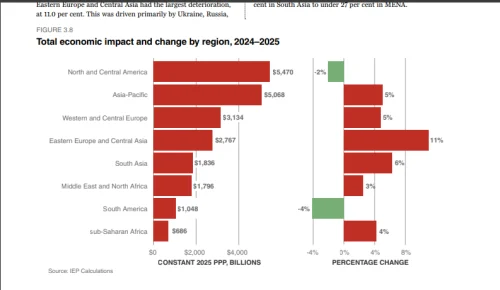
The report says modern conflicts create wider economic consequences. Regional wars increasingly affect countries far from battle zones.
Researchers describe the Iran conflict as a force multiplier. The conflict may increase prices in import-dependent economies.
Kenya relies heavily on imported fuel and fertiliser. Shipping disruptions could affect businesses and consumers directly.
The report highlights growing instability across the Horn of Africa. Conflicts in several neighbouring countries continue influencing one another.
Researchers argue these crises now share common drivers. Economic and security challenges increasingly cross national borders.
Impact on Ordinary Kenyans
The government continues efforts to stabilise public finances. Rising costs could complicate those efforts in coming months.
Higher food prices may affect families across the country. Farmers, traders, and consumers could feel the impact most.
The report concludes that distant conflicts now carry local consequences. Many Kenyans may feel those effects through everyday expenses.
About The Author
