 Skip to content

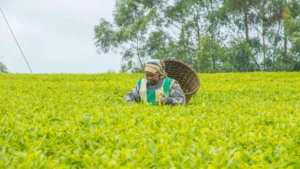
Tea factories across the country have received instructions to immediately reject green leaf that does not meet the recommended “two leaves and a bud” standard, a move that could force farmers to change their plucking practices.
Agriculture Cabinet Secretary Mutahi Kagwe said factories should stop accepting poor-quality leaf and processing it together with produce supplied by farmers who meet the required standards.
Kagwe Says Poor Leaf Hurts Farmers’ Earnings
Kagwe argued that mixing poor-quality leaf with properly plucked tea lowers the quality of the final product and reduces earnings for all farmers whose tea enters the same processing line.
“If we have agreed that quality tea is two leaves and a bud, then that is what must come to the factory,” Kagwe said.
“We cannot have farmers who are doing the right thing being punished because a few others bring poor-quality leaf which is then processed together with theirs.”
Directive Linked to Ksh7.1 Billion Modernisation Plan
The Agriculture CS issued the directive during a visit to Kapsara Tea Factory, where the government has allocated Ksh44.6 million for the installation of a new withering plant to replace ageing equipment.
The order comes as the government rolls out a Ksh7.1 billion tea factory modernisation programme targeting obsolete machinery, high energy consumption and other production costs.
Kagwe said the government cannot invest billions in modern processing equipment while factories continue receiving raw material that compromises tea quality.
Farmers Face Tougher Quality Checks
The new requirement is expected to increase pressure on both farmers and factory managers to enforce quality standards when green leaf arrives for processing.
Kagwe warned that poor-quality leaf can reduce the value of an entire consignment, meaning farmers who follow the recommended standards may also suffer lower returns if factories accept substandard produce.
Government Targets Better Global Tea Prices
The government has linked the quality crackdown to efforts to secure better prices for Kenyan tea in international markets.
Kagwe said Kenya wants to expand production of orthodox and speciality teas alongside traditional bulk exports in order to increase value addition and improve export earnings.
He cited Momul Tea Factory as an example, saying tea prices there rose from about Ksh258 per kilogramme to more than Ksh387 per kilogramme after farmers improved the quality of green leaf supplied to the factory.
Tea Remains Key Export Earner
Kenya’s tea sector has long faced criticism for relying heavily on bulk exports with limited value addition.
Kagwe said factory modernisation would also help reduce operating costs, particularly energy expenses, which directly affect the amount of money available for tea-growing companies and farmers.
According to Central Bank of Kenya data, tea exports earned Ksh14.8 billion in May 2026 and Ksh16.9 billion in April 2026, underlining the crop’s importance as one of Kenya’s leading foreign exchange earners.
About The Author

