

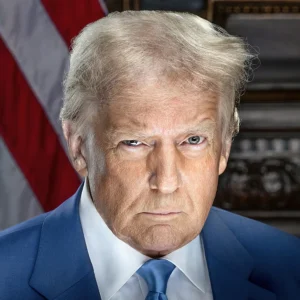
The United States has formally completed its withdrawal from the World Health Organization (WHO), citing what it described as the agency’s mishandling of the Covid-19 pandemic and its inability to implement critical reforms. The move concludes a year-long process initiated under former President Donald Trump, signaling a major shift in global health policy by the US government.
Officials attributed the decision to the WHO’s susceptibility to political influence by member states and alleged prioritisation of politics over independent public health action. US Secretary of Health and Human Services Robert F. Kennedy Jr. and Secretary of State Marco Rubio jointly announced the completion of the withdrawal, stating that the United States will now pursue global health initiatives through direct engagements with other countries and organisations.
The US administration strongly criticised WHO for delaying key decisions during the Covid-19 pandemic, which, according to officials, compromised timely and effective international response efforts. “The WHO delayed critical decisions, allowed political considerations to compromise independent public health action, and failed to implement reforms that could prevent future crises,” the statement read.
US officials noted that the organisation’s failure to adopt meaningful reforms in governance, accountability, and political independence eroded global trust in its ability to handle public health emergencies. During the pandemic, member states reportedly influenced WHO directives, creating delays and inconsistencies in recommendations for testing, vaccine distribution, and travel protocols.
Year-Long Withdrawal Process
The withdrawal process began exactly one year ago, on January 20 last year, under President Trump’s directive. During this period, the US halted all funding contributions to WHO, withdrew personnel, and redirected health initiatives previously coordinated through WHO to bilateral and multilateral engagements with countries and other global partners.
Kennedy and Rubio explained that the US redirected these initiatives to ensure continued delivery of critical public health programs without dependence on an agency they deemed ineffective. Programs covering disease prevention, vaccine distribution, and emergency preparedness have now been coordinated directly through American-led partnerships with nations, private sector entities, non-governmental organisations, and faith-based organisations.
Despite the withdrawal, US officials reiterated the country’s commitment to global health leadership. They emphasized that the US would continue to engage internationally to protect both American citizens and global populations. Initiatives will focus on emergency response, biosecurity coordination, and health innovation.
“The US will continue its global health leadership through existing and new engagements directly with other countries and organisations, prioritising emergency response, biosecurity coordination, and health innovation to protect America first while delivering benefits to partners around the world,” the joint statement said.
Officials stressed that direct engagements provide more accountability, faster responses to emerging health threats, and opportunities for collaboration outside the constraints of multilateral bureaucracies. They argued that bilateral arrangements allow the US to implement evidence-based interventions efficiently without interference from political agendas within large international organisations.
Implications for International Health Cooperation
The US exit from WHO marks a significant moment in international health governance. Experts suggest that the withdrawal may shift power dynamics in global health decision-making and could influence other countries to reconsider their support or contributions to WHO. Some analysts warned that the move might weaken coordination in addressing global emergencies that require multilateral cooperation, such as pandemics, outbreaks of infectious diseases, and biosecurity threats.
However, US officials countered these concerns by highlighting that their bilateral engagements and direct partnerships are designed to maintain influence and leadership in global health. The government intends to fund projects that address critical health needs while retaining strategic flexibility. Such projects include pandemic preparedness training, laboratory strengthening, vaccine distribution, and early-warning systems for emerging pathogens.
Since the announcement of the withdrawal, the US has already reallocated substantial funding and personnel to programs outside WHO’s direct supervision. This includes partnerships with countries in Africa, Asia, and Latin America. Programs focus on enhancing emergency response capacities, strengthening health infrastructure, and improving access to vaccines and treatments.
Officials emphasised that the redirection aims to ensure no interruptions in critical health services for both Americans and international partners. Kennedy stated that while WHO coordination may continue for some projects, the US will no longer rely solely on the agency for leadership or guidance in global public health.
Global Reactions and Future Outlook
Reactions to the US withdrawal have been mixed. Supporters of the decision praised it as a necessary step to hold WHO accountable and prevent politicisation of global health. Critics warned that removing the US from WHO could reduce the organisation’s effectiveness in mobilising resources and coordinating international responses during health emergencies.
The US has stressed that it remains open to future collaboration with WHO once reforms are implemented. Officials indicated that future re-engagement would depend on tangible improvements in governance, independence, and accountability.
In the meantime, American-led health programs will continue to operate independently, with ongoing monitoring of emerging threats. The administration plans to report regularly on the outcomes of these initiatives to ensure transparency and assess their impact on global health security.
The US formal withdrawal from WHO represents a decisive step in reshaping how the country engages in global health initiatives. By redirecting efforts to direct partnerships, the administration aims to maintain influence, respond faster to crises, and ensure health interventions remain evidence-based and politically independent.
Officials emphasised that the move does not signal disengagement from international health efforts but reflects a strategic shift designed to improve accountability, efficiency, and public trust. With emergency response, biosecurity, and health innovation as priorities, the US plans to remain a leading actor in global health, even outside the framework of the WHO.
About The Author
