
The Uganda Communications Commission (UCC) has ordered a temporary internet shutdown starting January 13, 2026. The measure will remain in effect until the UCC issues a restoration notice.
Authorities implemented the shutdown a day before Uganda’s General Elections on January 15. UCC Executive Director Thembo Nyombi said the suspension follows recommendations from the Inter-Agency Security Committee.
The committee warned that online misinformation, disinformation, and election-related risks could spread rapidly if unaddressed. Nyombi explained the suspension also aims to prevent content that could incite violence during the elections. He added the measure will protect public confidence and preserve order throughout the voting process.
Scope of the Shutdown and Affected Services
The UCC stated that non-essential public internet traffic must be blocked nationwide. Social media platforms, web browsing, video streaming, messaging applications, and personal emails are included.
Mobile broadband, fibre optic networks, leased lines, fixed wireless access, microwave radio links, and satellite services will be restricted. Authorities defined essential services that will remain accessible through secure channels and authorised personnel.
Healthcare systems, national referral hospitals, and financial services are among the exempted systems. Government services, including immigration, voter verification, and vote tabulation networks, will continue under controlled access.
The UCC requires these systems to use dedicated IP ranges, VPNs, or private circuits. Any abuse of the exemptions will result in immediate suspension or revocation of access privileges.
Political Context and Reactions
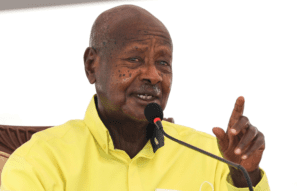
President Yoweri Museveni, 81, has governed Uganda since 1986. His main challenger, 43-year-old Robert Kyagulanyi, also known as Bobi Wine, has voiced election concerns.
Kyagulanyi warned of protests if the elections appear unfair or manipulated. He urged citizens not to wait for instructions before expressing dissatisfaction with irregularities.
Observers note that election-related internet restrictions are common across the region. Satellite internet provider Starlink restricted services in Uganda following UCC orders.
This move heightened concerns about transparency and access to information during voting. The government also prohibited live broadcasts of riots, unlawful processions, and violent incidents. Officials argued these measures prevent escalation of tensions and maintain public order before the election.
Security Measures Versus Digital Freedom
Critics argue the shutdown will limit freedom of expression and access to information. Journalists and civil society groups may struggle to report election news in real time.
Voters might find it difficult to share concerns or verify official reports online. Analysts warn that restricting digital access could increase public mistrust and political tension.
Authorities insist the temporary measure protects citizens and ensures orderly elections. They argue limiting internet access reduces misinformation that could trigger unrest.
Historical cases in the region suggest such restrictions may provoke protests despite government intentions. Balancing security and digital freedom remains a major challenge during national elections.
Implications and Future Outlook
Despite the shutdown, authorised personnel will continue essential digital operations securely. Banking, healthcare, and government systems will operate without interruptions under restricted access.
Observers will monitor closely how internet restrictions affect voter participation and election transparency. The measure highlights the growing role of digital networks in political processes.
UCC emphasizes temporary restrictions help preserve electoral integrity and prevent widespread misinformation. Voters and stakeholders will evaluate whether the suspension achieves its intended objectives.
Officials claim the action is necessary to prevent unrest, misinformation, and disinformation during voting. The situation underscores the importance of secure communication for critical national functions.
Ugandans await the election outcome and assess whether digital restrictions influenced fairness. The UCC has pledged to lift the shutdown once authorities deem security risks mitigated.
About The Author
