

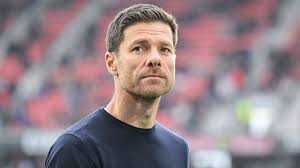
Real Madrid has announced that Xabi Alonso has left his position as head coach, ending a short but high‑profile tenure at the Spanish club.
The decision came by mutual consent just days after a 3‑2 defeat by Barcelona in the Spanish Super Cup final in Saudi Arabia.
The move marks an abrupt end to Alonso’s spell in charge of one of world football’s most iconic teams.
He had signed a three‑year contract in May 2025 after a successful period abroad, but the club agreed to part ways following inconsistent performances.
Real Madrid’s statement emphasised respect for Alonso’s legacy at the club, noting that he would always remain part of Real’s history.
Immediate Change at the Bernabéu
Real Madrid confirmed Álvaro Arbeloa as Alonso’s successor within hours of announcing the split.
Arbeloa, a former defender for both Real Madrid and the Spanish national team, had been coaching the club’s Castilla (B) side.
The club did not immediately specify how long Arbeloa will serve as head coach, but he is expected to lead the team in upcoming fixtures, starting with a Copa del Rey match.
Arbeloa’s appointment reflects Real Madrid’s faith in a coach steeped in the club’s culture.
He has climbed through the club’s coaching ranks since joining its youth setup in 2020, and has guided junior teams to titles and strong league finishes.
Alonso’s Tenure: Promise and Pressure
Alonso’s tenure lasted just over seven months, a relatively short period given his long‑term contract.
He arrived at the Bernabéu after an impressive stint with Bayer Leverkusen, where he led the German club to historic success, including a Bundesliga title.
His early months in Madrid showed promise. The team won ten of its first 11 La Liga matches under his leadership and began the league strongly.
Former midfielder Alonso, who starred for Real as a player between 2009 and 2014, had high expectations placed on him from the start.
Supporters and pundits hoped his tactical approach would combine attacking flair with disciplined structure.
Despite those early results, Real Madrid’s form waned in the latter part of 2025.
Heavy losses in key matches against teams like Liverpool, Celta Vigo and Paris Saint‑Germain revealed vulnerabilities in Alonso’s system.
A downturn in results saw the club fall from the top of the La Liga standings, eventually settling in second place behind Barcelona at the time of his departure.
Super Cup Loss as Final Straw
The defining moment of Alonso’s final days came with the Spanish Super Cup defeat in Jeddah.
Real Madrid lost 3‑2 to Barcelona on January 11, 2026, in a match that reignited pressure on the coach.
The Super Cup loss came after alternating streaks of good and flawed performances.
Although the team had beaten Barcelona in October during a La Liga clásico, consistency remained elusive.
Following that defeat, club leadership reportedly decided it was time for a fresh direction, even though the team still competed in La Liga and the Champions League.
The statement released by Real Madrid emphasised that the decision was mutual and that Alonso would always be welcomed back as a club legend.
Tensions Behind the Scenes
Reports from inside the club suggested that Alonso’s relationship with some senior players had been strained.
Star forward Vinícius Júnior and other key figures were reportedly unhappy with certain tactical decisions, leading to public and private tension.
Critics of Alonso pointed to moments of tactical rigidity that appeared to clash with Real Madrid’s traditional attacking ethos.
Some supporters on social media argued that the squad lacked clarity under his guidance, creating mixed results and wavering momentum.
Other voices online claimed that such disagreements between coach and players contributed to his downfall.
A post on a popular football forum argued that continued player resistance created frustration and weakened Alonso’s authority.
Arbeloa Steps Into a High‑Pressure Role
Arbeloa’s promotion places him in charge of one of the biggest football jobs in the world.
Although he has never managed a senior first team before, his deep knowledge of Real Madrid’s culture is an asset.
As a player, Arbeloa enjoyed great success during his time at Real Madrid, winning multiple Champions League and league titles.
He also represented Spain internationally, helping the national team secure major trophies.
His coaching journey began in the club’s youth system, where he spent several years guiding younger squads to regional and national success.
Those experiences offered him a foundation in player development and tactical preparation.
Real Madrid’s leadership appears to be betting that one of their own can steady the ship and re‑energise performance.
Arbeloa takes over with immediate matches on the horizon and expectations already high.
Reactions From the Football World
Fans reacted quickly after the announcement.
Many expressed sadness at Alonso’s departure, pointing to early promise and his legendary status at the club.
Some supporters on social media praised his work rate and tactical ideas, even if results did not always match expectations.
Others welcomed Arbeloa’s return, noting that a former player familiar with Real Madrid traditions might restore cohesion.
Supporters highlighted his years with the club’s youth teams as evidence of readiness for the job.
What Comes Next for Real Madrid
With the managerial change confirmed, Real Madrid now shifts focus to the rest of the season.
Arbeloa’s first test will be navigating La Liga, Champions League, and domestic cup fixtures while rallying a team under transition.
His appointment signals that the club wants both stability and a return to form.
Whether Arbeloa can deliver consistent success remains an open question for fans and pundits alike.
Alonso’s departure ends a brief but eventful chapter at Real Madrid.
The club moves forward with a familiar face at the helm, hoping to balance legacy with fresh leadership.
About The Author
