
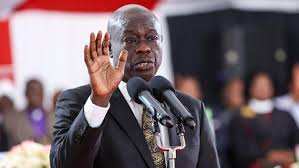
Former Deputy President Rigathi Gachagua has announced a major media interview targeting Kalenjin language stations. He intends to address crosscutting national issues. Gachagua shared his plans on his verified Facebook page. The post gained wide attention across social platforms.
Gachagua said the interview will run across various Kalenjin media outlets. He said the engagement will give him space to discuss matters shaking Kenya. The planned session will focus on governance, national unity, law, and development issues. Gachagua invited all listeners to tune in.
The announcement generated immediate interest among political commentators. Many media houses prepared to broadcast his remarks. Gachagua’s supporters said the interview will strengthen dialogue. Critics said the move targets a regional audience.
This story explains why Gachagua made the announcement. It also describes expected topics, possible impacts, and reactions from political actors.
Gachagua’s Background and Recent Political Role
Rigathi Gachagua served as Kenya’s Deputy President from 2022 to 2025. He held significant influence in national politics during that period. Gachagua comes from Nyeri County in Kenya’s Central region. He first rose to national prominence through Parliament in 2002.
He represented Mathira Constituency in the National Assembly. He served multiple terms and became known for robust oversight. Gachagua later became a key figure in the United Democratic Alliance. He worked closely with President William Ruto.
Gachagua’s political career often sparked strong reactions. Supporters laud his forthright style. Opponents criticize his confrontational approach. Regardless of views, his prominence in Kenyan politics remains undeniable.
At times, his speeches set public debate agendas. That pattern partly explains the interest in this media interview.
Announcement Across Social Media
Gachagua made the announcement on Facebook. His post went viral within minutes. He wrote clearly that he would speak to Kalenjin media stations. He said the interview will address national concerns.
He did not name all media outlets. But he mentioned vernacular radio stations. His team later confirmed participation by several Kalenjin platforms. The coordination reflects careful planning by his communications team.
Several social media users reposted his announcement. Some users praised his efforts to engage directly with vernacular communities. Others questioned why he chose Kalenjin outlets specifically.
Gachagua responded to critics in follow‑up posts. He said the address does not exclude other communities. He said the discussion remains open to all Kenyans. Gachagua also said vernacular languages help deepen citizen engagement.
Themes Expected in the Interview
Gachagua listed several broad themes in his announcement. He said he will dissect the current political climate. He said governance issues will form a central focus. He said economic concerns affecting ordinary Kenyans will also feature.
He said leadership, unity, and national cohesion remain central. He stressed the need for inclusive governance. He said corruption and accountability require public discussion.
Observers expect him to unpack recent court rulings. They also expect him to speak on government policy directions. Analysts note his remarks could resonate widely beyond Kalenjin communities.
This interview appears timed at a sensitive political moment. Various factions in Kenya debate national priorities. Gachagua’s address could shape narratives ahead of future events.
Reaction from Vernacular Media Stations
Major Kalenjin language radio stations responded swiftly. They confirmed plans to air Gachagua’s interview. Station managers said they will allocate prime broadcast slots. They also said their journalists will moderate parts of the interview.
Some stations published notices on their social platforms. They encouraged listeners to engage via calls and messages. Station editors said they welcome balanced discussions on national issues.
At least one media house posted a schedule for the interview. It invited listeners to prepare questions in advance. Station officials emphasized that the forum remains open and respectful.
Media commentators said vernacular stations have grown in influence. They said such platforms drive political dialogue across communities. They also noted that politicians increasingly use vernacular outlets to reach audiences directly.
Political Analysts Weigh In
Political analysts reacted to Gachagua’s announcement. Many said the interview reflects strategic communication. They pointed out that vernacular media remain powerful in Kenya. Analysts said Gachagua likely aims to energize parts of the electorate.
Some analysts said the interview could set the tone for upcoming debates. They spoke on national television and radio. Most noted the importance of clear messaging. They also warned against polarizing rhetoric.
A few analysts emphasized the risk of misinterpretation. They said broadcasters must adhere to media standards. They stressed that interview questions should remain fair and balanced.
Other commentators said Gachagua’s engagement highlights rising political competition. They explained that leaders often seek wider platforms before major events.
Public Sentiment and Social Response
Across social media, reactions varied widely. Supporters praised Gachagua for engaging directly with audiences. Many posted supportive comments under the announcement.
Some users expressed skepticism about political motives. They questioned whether the interview will truly address pressing issues. Others said they will tune in with interest.
A popular hashtag emerged on Twitter. It invited Kenyans to share opinions on topics they want covered. Several users called for focus on jobs, cost of living, and education.
Youth groups also weighed in. Some urged Gachagua to speak on youth unemployment. Others asked for plans on security and entrepreneurship.
What This Means for Kenyan Politics
Gachagua’s planned interview holds broader implications. It highlights vernacular media’s growing role in national discourse. It also reflects strategic outreach by political leaders.
By choosing multiple Kalenjin stations, Gachagua signals intentional engagement. Analysts say this may influence how politicians approach grassroots audiences.
Observers also note that such interviews expose leaders to deeper scrutiny. They said real dialogue requires tough questions from journalists.
Either way, the address will draw attention. It could shape public opinion on key national issues. Political watchers will study every statement for signals of future strategies.
Rigathi Gachagua’s announcement of a media interview across Kalenjin stations represents a deliberate public engagement effort. He plans to dissect national issues with vernacular audiences in mind. Media houses confirmed their participation. Analysts view this move as strategic. Public reactions vary widely. The interview will likely influence political debates nationwide.
About The Author
