

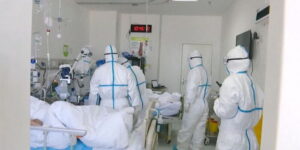
The Ministry of Health has issued a public health advisory after a hantavirus outbreak aboard the MV Hondius cruise ship. Health officials confirmed that the vessel currently sails in the Atlantic Ocean.
The government said Kenya has not recorded any hantavirus case so far. Officials, however, continue monitoring the situation closely with global health agencies.
According to the World Health Organisation, the outbreak has caused eight confirmed infections aboard the ship. Three passengers and crew members have already died from the disease.
The Ministry released the statement through Director General of Health Patrick Amoth on Friday, May 8. He said Kenyan authorities have activated precautionary surveillance measures across the country.
Health officials stressed that the current public risk in Kenya remains low. They also urged citizens to avoid panic and follow basic hygiene practices.
What Causes Hantavirus
Hantavirus spreads mainly through infected rodents like rats and mice. Humans usually contract the disease after inhaling contaminated dust particles.
People can also get infected after touching contaminated surfaces or rodent waste. Poor sanitation and unsafe food storage increase the chances of exposure.
Global health agencies say some rare hantavirus strains spread between humans through close contact. Scientists, however, consider such transmission uncommon compared to rodent exposure.
The disease has appeared in several countries over the years. Many outbreaks often emerge in areas with heavy rodent populations.
Doctors say symptoms may appear between one and eight weeks after exposure. Early signs often resemble common viral infections, making diagnosis difficult.
Patients may experience fever, headaches, muscle pain, fatigue, nausea, and vomiting. Some victims also develop chills and abdominal discomfort during early stages.
Severe infections can lead to Hantavirus Pulmonary Syndrome, commonly known as HPS. This condition attacks the lungs and causes serious breathing difficulties.
Medical experts warn that untreated HPS can become fatal within a short period. Early treatment greatly improves survival chances for infected patients.
Kenya Strengthens Surveillance Measures
Patrick Amoth said authorities have strengthened screening systems at airports and seaports. Health workers across Kenya have also received alerts about possible symptoms.
The ministry has prepared rapid response teams in case suspected infections emerge locally. Testing systems also remain ready for quick detection and isolation.
Officials want health facilities to identify possible cases before community spread occurs. Early containment remains critical during infectious disease outbreaks.
Kenya improved many surveillance systems after the COVID-19 pandemic. Health authorities now respond faster to global disease alerts than before.
The Ministry urged citizens to maintain clean environments around homes and workplaces. Officials also advised people to eliminate rodents from living spaces immediately.
Families should store food safely and dispose waste properly every day. Open garbage and dirty surroundings often attract rats and mice.
Travellers returning from affected regions should monitor their health carefully for eight weeks. Anyone developing symptoms should seek medical attention without delay.
Health experts say public awareness remains important during such outbreaks. Simple preventive actions often reduce infection risks significantly.
About The Author
