 Skip to content

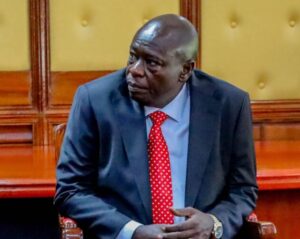
A planned roundtable interview between former Deputy President Rigathi Gachagua and a team of journalists from Northern Kenya was abruptly cancelled on Thursday, January 22. The Northern Kenya Media Practitioners issued a statement explaining their collective withdrawal from the session, citing responsible journalism and national unity as the basis for their decision.
The journalists said the decision followed internal consultations and careful consideration of ethical standards. They argued that conducting the interview could have contradicted values of responsible journalism, constructive public discourse, and national cohesion.
Concerns Over Divisive Rhetoric
In their statement, the media practitioners highlighted concerns about recent public statements and rhetoric from political leaders. They argued that Gachagua’s comments in public fora had increasingly emphasised ethnic and regional divisions, which could compromise peaceful discourse.
The journalists added that the planned interview might have served as a platform for personal attacks or the dissemination of unsubstantiated allegations. They noted that such discussions could damage reputations without proper evidence, undermining public trust in both journalism and political dialogue.
The group stressed their commitment to fostering informed debate and promoting peace in Northern Kenya. They highlighted that media houses have a responsibility to encourage cohesion rather than amplify messages that could polarise communities.
The Northern Kenya Media Practitioners underscored that professional ethics require journalists to maintain evidence-based reporting and impartial moderation. They insisted that any discussion with political leaders must remain respectful, substantive, and focused on verifiable facts.
The statement noted that no assurances were provided by Gachagua’s team guaranteeing that the conversation would adhere to these principles. The journalists concluded that proceeding under uncertain conditions could compromise the integrity of the session and the reputation of their media outlets.
Public Reactions and Criticism
The cancellation of the interview sparked mixed reactions among Kenyans, particularly on social media. Many citizens accused the media practitioners of bias, claiming that the decision curtailed Rigathi Gachagua’s right to communicate his positions to the public.
Lawyer Ahmed Nassir criticised the media team for allegedly undermining free speech and selectively covering political perspectives. He argued that denying Gachagua the opportunity to address Northern audiences contradicted fundamental democratic principles.
“If you do not agree with Riggy G’s positions, that does not justify silencing him. Accusing someone of intolerance while exercising intolerance is unacceptable,” Nassir said. He emphasised that all political leaders deserve platforms to reach their constituents.
Several journalists also condemned the cancellation, including TV47 anchor Abubakar Abdullahi. Abdullahi described the move as unprecedented and unprofessional, stressing that denying a political figure an opportunity to speak undermines journalistic credibility.
“To prevent Rigathi Gachagua from addressing the North-Eastern audience is unprecedented and totally unprofessional. This behaviour mocks the principles of journalism,” Abdullahi said.
Observers warned that such cancellations could hinder open political discourse in Northern Kenya. Analysts noted that constructive debates allow citizens to make informed decisions, and curtailing access to leaders might deepen political apathy and mistrust.
Political commentators said journalists have a dual role of ensuring ethical reporting while giving leaders opportunities to present their positions. They warned that withdrawing from interviews without transparent dialogue could fuel accusations of media bias and erode public confidence in news outlets.
Commitment to National Unity
The Northern Kenya Media Practitioners reaffirmed their commitment to promoting peace and cohesion in the region. They stated that decisions about interviews are guided by the need to avoid inflaming ethnic tensions or polarising communities unnecessarily.
The statement stressed that responsible journalism requires prioritising social harmony over sensational reporting. Media houses, they argued, must weigh public interest against potential risks to unity and national stability.
Some media observers urged the establishment of clear protocols for political interviews, especially in regions with heightened ethnic or political sensitivities. They suggested that journalists and political teams agree on rules to ensure discussions remain respectful, factual, and constructive.
Such measures, experts argued, could prevent abrupt cancellations and accusations of bias. They also said clear guidelines would protect journalists from criticism while ensuring politicians can communicate freely with the public.
Looking Ahead
The controversy surrounding the cancelled interview highlights ongoing tensions between media ethics and political access. Analysts noted that Northern Kenya remains a critical region for political engagement, making transparent and responsible coverage essential.
Observers also stressed that political leaders and media houses must collaborate to maintain public trust. They argued that fostering informed debate, avoiding inflammatory rhetoric, and ensuring fairness are essential for sustaining democracy in Kenya.
The Northern Kenya Media Practitioners said they remain open to future interviews with Rigathi Gachagua, provided ethical standards and guidelines for responsible reporting are clearly established. They reiterated that their decision prioritises national cohesion and ethical journalism above all.
The incident is likely to spark further discussions on media responsibility, political accountability, and the balance between access and ethics. Analysts suggest that both journalists and politicians must work together to rebuild trust and ensure citizens receive accurate, unbiased information.
About The Author

