
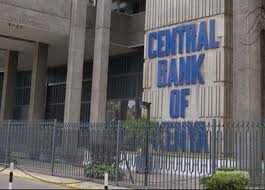
The Central Bank of Kenya (CBK) has launched a tender for companies to purchase and smelt 281 tonnes of old and damaged coins no longer fit for circulation. The tender forms part of the bank’s routine currency management and asset disposal efforts. CBK said it seeks to remove worn or mutilated coins from circulation while allowing their metals to be reused industrially.
Target Firms and Tender Requirements
According to the tender notice, the CBK is targeting metal smelting firms and coin minting companies. The successful bidder will be required to destroy the coins under CBK supervision, ensuring they are rendered unusable. Bidders must demonstrate prior large-scale smelting experience, own suitable industrial equipment, and have a proven track record in managing similar projects.
Interested firms can inspect coin samples at CBK’s head office before submitting their proposals. The winning bidder will also be responsible for loading, transporting, and smelting the coins from CBK warehouses.
Coin Distribution Across Kenya
The coins targeted for disposal are spread across CBK facilities. About 196 tonnes are stored at the Mombasa branch, 76 tonnes at the Nairobi head office, and 9 tonnes at the Kisumu facility, bringing the total stock to 281,667 kilogrammes. The tender also allows bidders to view coin samples before submitting proposals, ensuring transparency and accuracy in the process.
Tender Timeline
The tender closes on January 22, 2026, following a previous three-year coin minting tender. This disposal coincides with the CBK’s recent tender for minting new coins, reflecting a coordinated effort to replace old currency with fresh stock. The central bank continues to affirm its commitment to maintaining sufficient currency in circulation, despite declining coin usage.
Metal Content and Industrial Value
The coins contain recoverable metals, including copper, nickel, aluminium, steel, bronze, and brass. These metals can be repurposed for industrial use, making the tender an opportunity not only for profit but also for industrial recycling and sustainability. By removing old coins and recovering metals, the CBK supports environmental initiatives and efficient resource management.
Coin Values and Denominations
As of June 2025, the CBK held coins valued at Sh11.37 billion, mainly in Sh20, Sh10, and Sh5 denominations. Of this total, Sh20 coins accounted for Sh4 billion, Sh10 coins for Sh4.02 billion, and Sh5 coins for Sh1.95 billion. Current coins weigh between 3.75 grammes and nine grammes, while the heaviest coin in circulation was the 1985 Sh5 coin, weighing 13.5 grammes and minted in the United Kingdom. The total number of coins included in the tender has not been disclosed.
Economic Context and Currency Management
Over the years, coin usage in Kenya has declined, particularly for lower denominations. This trend is partly due to inflation and the rise of digital payment systems, which reduce demand for physical currency. CBK’s decision to melt old coins is part of routine currency management, ensuring that the money supply remains efficient and reflective of current economic needs.
By removing damaged and obsolete coins, the CBK maintains quality standards for currency in circulation, avoids counterfeiting risks, and promotes orderly management of the nation’s money supply. The process also allows industrial users to recycle metals, reducing waste and supporting Kenya’s broader sustainable development goals.
Responsibilities of the Winning Bidder
The firm awarded the tender will handle the full logistics of the project. This includes collecting coins from multiple CBK branches, transporting them safely, and conducting controlled smelting under supervision. CBK will monitor the destruction to ensure coins are completely unusable after the process.
Strict eligibility criteria apply, meaning only firms with proven experience and the proper equipment can participate. This ensures the coins are handled safely and the metals are recovered efficiently for industrial use.
Future Coin Supply
The tender for old coins comes shortly after CBK completed a tender for minting new coins. This reflects the bank’s strategy to replace outdated currency with fresh stock, maintaining adequate supply while supporting the industrial and commercial sectors. By balancing disposal with new minting, CBK ensures the integrity of currency circulation in Kenya.
The move also highlights the bank’s proactive approach to modern currency management. Even as coins are declining in everyday transactions, they remain a vital part of the economy for certain denominations and financial operations. Ensuring old coins are removed and replaced helps the CBK manage both physical currency quality and metal recovery efficiency.
Conclusion
The CBK’s tender to melt 281 tonnes of old coins presents opportunities for industrial firms and reinforces responsible currency management. The coins’ metals, including copper, nickel, aluminium, steel, bronze, and brass, will be recovered and repurposed, reflecting sustainability and efficiency.
With the January 22, 2026, deadline approaching, firms interested in the tender should inspect samples at CBK’s head office and prepare their proposals. The disposal aligns with Kenya’s broader currency strategy, maintaining high-quality coins in circulation, supporting industrial recycling, and ensuring that the country’s financial system continues to operate efficiently and securely.
About The Author
