
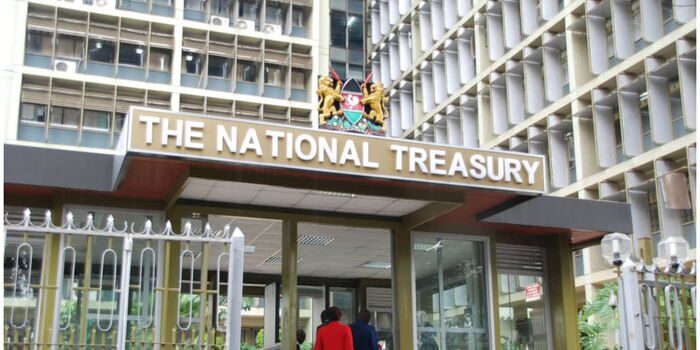
Civil servants in Kenya’s national government begin 2026 with a pay rise backdated to July 1, 2025. The increase follows approval of new salaries and allowances by the Salaries and Remuneration Commission under Phase I of the 2025–2029 review cycle.
Approval and Implementation
The SRC approved the adjustments during its meeting on December 19, 2025. The decision followed multiple submissions, including letters outlining negotiation guidelines for the fourth remuneration and benefits review cycle.
A circular issued to Public Service PS Jane Imbunya and shared by COTU Secretary General Francis Atwoli directed that new salaries and leave allowances take effect from July 1, 2025. The total cost for the 2025/2026 fiscal year is Ksh 2,065,701,510.
The SRC instructed all ministries, departments, and agencies to implement the changes promptly and ensure retroactive payments are processed without delay.
Breakdown of Salary Adjustments
The new structure includes a Salary Market Adjustment, consolidating multiple allowances such as entertainment, domestic servant, and extraneous allowances into a single adjustment. The SMA ensures public service salaries remain competitive and simplifies administration.
House allowances are divided into three clusters. Cluster 1 covers Nairobi, Cluster 2 includes major cities and key municipalities, and Cluster 3 applies to all other areas. This ensures allowances reflect regional cost-of-living differences, with Nairobi staff benefiting most.
Examples Across Grades
Higher-grade civil servants, such as CSG4, will earn a basic salary of Ksh 185,690 to Ksh 396,130, with house allowances up to Ksh 140,600 for Nairobi residents. Lower-grade employees, such as CSG15, will see salaries rise to Ksh 21,120 to Ksh 26,250, with house allowances of up to Ksh 4,500.
The structure ensures that both senior and junior staff benefit while accounting for economic realities in different regions. All employees receive meaningful increases aligned with their grade and location.
Leave Allowances
The SRC revised leave allowances to compensate staff for accumulated leave. The adjustments also provide extra support during periods away from work.
The revisions aim to balance remuneration with staff welfare. Employees can take leave without facing financial strain, supporting wellbeing and morale.
Unionisable Staff and Collective Bargaining
For unionisable staff, salary adjustments will be implemented through Collective Bargaining Negotiations. This process allows staff representatives to participate in finalizing pay increases, ensuring transparency and fairness.
The CBN mechanism also ensures compliance with labor laws and statutory provisions. It prevents unilateral decisions and promotes consensus between employees and government.
Economic Rationale
The SRC emphasized that the SMA is necessary to maintain market competitiveness. Public service salaries must keep pace with private-sector wages to attract and retain talent.
Consolidating fragmented allowances into a single adjustment reduces administrative overhead and prevents discrepancies. Prompt implementation of the pay rise supports staff morale and productivity.
Broader Implications for Public Finance
The pay rise, costing Ksh 2.065 billion, is significant but manageable within the budget. It reflects a commitment to fair compensation while maintaining fiscal discipline.
The phased approach to the 2025–2029 review cycle allows the SRC to adjust salaries incrementally. This ensures that salary increases remain sustainable and fiscally responsible.
Regional Disparities and Equity Considerations
House allowances are calibrated to reflect regional cost-of-living differences. Nairobi staff receive the highest allocations while rural staff receive lower amounts.
This differentiation acknowledges economic disparities across Kenya. It ensures equitable benefits for all civil servants while controlling expenditure.
Phase I of a Longer Review Cycle
The current pay rise represents Phase I of the fourth remuneration and benefits review cycle. The SRC plans to continue reviewing salaries in subsequent phases to ensure fairness and competitiveness.
The phased approach allows monitoring of the impact on public finance, inflation, and employee satisfaction. Future adjustments can be tailored based on economic conditions.
Key Takeaways
Civil servants start 2026 with a pay rise backdated to July 1, 2025. The adjustment covers all grades from CSG1 to CSG17 and includes house and leave allowances.
The Salary Market Adjustment consolidates previous fragmented allowances for easier administration. House allowances are clustered by location, with Nairobi staff benefiting most.
Unionisable staff participate in pay adjustments through Collective Bargaining Negotiations. The pay rise costs Ksh 2,065,701,510 and is fiscally sustainable. This is Phase I of the 2025–2029 review cycle, with future phases continuing adjustments.
The 2026 pay rise is a landmark adjustment in Kenya’s public service. It aligns salaries with market realities, regional cost-of-living differences, and constitutional principles.
Civil servants at all levels benefit, with higher grades seeing substantial increases and lower grades receiving meaningful improvements. Consolidating allowances into the SMA streamlines payroll and enhances equity.
The adjustment ensures a competitive, fair, and sustainable compensation framework. It supports staff motivation and strengthens Kenya’s public service in the years ahead.
About The Author
