

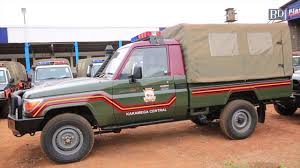
A 30-year-old man was fatally attacked by an elephant in Kasigau, Taita Taveta County, on February 8, authorities confirmed.
The man went missing earlier that day, prompting a frantic search by local residents and wildlife officers. Rescue and law enforcement teams discovered Mnazi’s body the following day in a bushy area near where he had disappeared.
Officials believe the elephant attacked him shortly before locals realized he was missing, highlighting the dangers posed by wildlife in the region. Residents in Kasigau gathered near the site, expressing anger over the increasing frequency of animal attacks in their communities. They protested, demanding more protective measures and immediate government action to prevent future tragedies.
Authorities quickly moved Mnazi’s body to a local mortuary while advising his family to file a claim under Kenya’s Human–Wildlife Conflict Compensation Programme. The compensation system offers financial redress to families of victims injured or killed by wildlife and aims to reduce tensions between humans and animals.
This incident adds to a rising number of human-wildlife conflicts in Taita Taveta and across Kenya. Officials say dozens of people die or sustain serious injuries each year due to encounters with wild animals near national parks and conservation areas.
Elephants and buffalos feature prominently in these attacks, according to wildlife experts and local authorities. The two species are responsible for most fatalities, as they often stray into farmland and settlements while searching for food or water.
Some communities have threatened to retaliate against animals following repeated attacks, raising the risk of escalation. Government agencies and conservation bodies have increased patrols and community outreach campaigns to reduce confrontations.
Authorities stress that creating safe buffers between humans and wildlife remains critical for both human safety and species conservation. Fencing, early warning systems, and community engagement are central components of Kenya’s strategy to manage conflicts.
In May 2025, Kenya launched the third phase of its Human–Wildlife Conflict Compensation Programme to address these recurring incidents. The programme seeks to offer timely financial relief to affected families while encouraging coexistence between people and wildlife.
During the launch at Meru National Park, President William Ruto unveiled the Wildlife Conservation Card, a new tool to support conservation funding. He described the initiative as a way to combine economic incentives with community-led protection efforts.
“Compensation is justice, but prevention is progress,” Ruto said, emphasizing the importance of long-term solutions. He added that Kenya must implement strategies that benefit both residents and wildlife for sustainable coexistence.
The Wildlife Conservation Card comes in three tiers: Platinum for elephants, Gold for lions, and Silver for cheetahs. Cardholders contribute a portion of each transaction—Sh10, Sh5, and Sh3 respectively—directly to the Wildlife Conservation Trust Fund.
Developed in partnership with KCB Bank, the card allows Kenyans and international supporters to fund conservation while generating local economic benefits.
Proceeds help finance fencing, community tourism projects, and other initiatives aimed at reducing human-wildlife encounters.
The programme also provides compensation for victims injured or killed by animals, addressing financial burdens caused by such conflicts. Officials encourage families to submit claims promptly to ensure timely support following attacks.
Authorities have urged local communities to remain vigilant and avoid provoking animals near their homes and farms. They emphasize that early reporting of stray wildlife can prevent incidents before they escalate into fatalities.
Kasigau, like other areas bordering national parks, faces particular risks because wildlife frequently moves in search of grazing or water. Elephants, in particular, can travel long distances at night, entering farms and settlements unexpectedly.
Community education forms a key part of Kenya’s approach to managing these risks. Officials conduct workshops to teach residents how to react safely when encountering elephants or other dangerous animals.
Some local leaders have implemented early warning systems using watch teams and communication networks. They alert households when wildlife is spotted nearby, giving residents time to retreat to safe zones.
The government and conservation organizations stress that retaliatory killings of animals threaten Kenya’s biodiversity. Authorities work with locals to protect endangered species while safeguarding human lives and property.
Ruto highlighted community-led tourism as another avenue for turning human-wildlife conflict into economic opportunity. Villages near parks can earn income by hosting tourists and participating in guided wildlife experiences.
The initiative encourages locals to view wildlife as an asset rather than a threat, fostering a culture of coexistence. It also ensures that a portion of tourism revenue contributes directly to conservation and community development projects.
In addition to compensation and tourism, authorities advocate for strategic fencing around high-risk zones. These fences aim to guide animals safely around human settlements and reduce the chances of encounters at night.
Experts say long-term solutions require collaboration between government agencies, conservation groups, and local residents. Combining financial incentives, education, and physical safety measures can drastically lower fatalities from wildlife attacks.
Elephants, buffalos, lions, and other large mammals remain unpredictable, especially when habitats shrink or food becomes scarce. Officials urge patience and caution, reminding communities that coexistence requires structured planning and respect for animal behavior.
The Kasigau tragedy underscores the urgent need for vigilance and proactive measures across Kenya’s wildlife-adjacent communities. Officials pledge to expand the compensation programme, improve early warning systems, and strengthen community outreach.
By integrating compensation, prevention, and economic incentives, Kenya hopes to reduce human-wildlife conflicts while promoting conservation. The Wildlife Conservation Card, fencing, and tourism initiatives represent a comprehensive approach to balancing human safety and wildlife protection.
Authorities continue monitoring Kasigau and surrounding areas closely following Mnazi’s death. They stress that rapid response and proactive mitigation can prevent similar incidents in the future.
The government urges locals to participate actively in conservation programmes and report any signs of dangerous wildlife near settlements. Through cooperation and awareness, Kenya aims to create a safer environment for people and wildlife to coexist sustainably.
About The Author
