

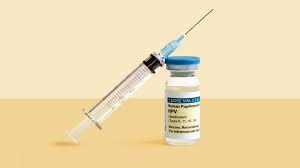
Health advocates have endorsed the government’s plan to move from school to school vaccinating girls against HPV. The virus causes cervical cancer, which remains one of the deadliest cancers affecting Kenyan women.
The government announced the strategy during the launch of the National Cervical Cancer Elimination Action Plan last week. Officials said the approach aims to increase early vaccination coverage among school-going girls.
Health experts argue that school-based vaccination offers the most efficient route to reaching eligible girls. They say early vaccination sharply reduces future infection and cancer risks.
HPV Vaccine Effectiveness and Prevention Strategy
Medical experts say the HPV vaccine prevents between 90 and 100 percent of HPV infections. The vaccine works best when administered before the onset of sexual activity.
Health officials emphasized that HPV causes cervical cancer and genital warts. They stressed that prevention offers a cheaper and more effective solution than treatment.
Advocates insist that vaccination must anchor national prevention efforts. They say strong uptake can dramatically reduce cervical cancer cases within a generation.
WHO Targets and Policy to Action Gap
Benda Kithaka, executive director of Kilele Health Association, said Kenya must now focus on execution. She warned that policy without funding will not deliver elimination.
Kithaka urged the government to meet the WHO 90-70-90 targets. These targets require vaccinating 90 percent of girls by age 15, screening 70 percent of women by ages 35 and 45, and treating 90 percent of detected cases.
She stated that Kenya must move decisively from policy commitments to real action. She emphasized that delay will continue to cost lives unnecessarily.
Current HPV Vaccination and Screening Gaps
Data from 2024 shows that 61 percent of girls received the first HPV vaccine dose. Health officials acknowledged that the figure falls short of global elimination targets.
Screening coverage also remains uneven across the country. Only 48 percent of targeted women received screening services in 2024.
HPV testing remains critically low despite its effectiveness. Only six percent of screened women received HPV-based testing. Treatment access also remains limited across facilities. Only 43 percent of women eligible for treatment actually received care.
Cervical Cancer Burden in Kenya
The action plan estimates that about 6,000 Kenyan women received cervical cancer diagnoses in 2024. About 3,600 women died from the disease in the same year. Cervical cancer ranks as the second deadliest cancer among women after breast cancer. Health experts attribute the deaths largely to late diagnosis.
Advocates say the statistics highlight a preventable crisis. They argue that prevention offers better outcomes than costly late-stage treatment. Dr Patrick Amoth, Director General for Health, outlined the financial requirements for implementation. He said the plan requires Sh1.2 billion over five years.
He explained that counties will implement 27 percent of the interventions. The national government will handle 16 percent, while both levels will share 57 percent. The plan also includes additional capital investments. These investments aim to strengthen diagnostic and treatment capacity nationwide.
Proposed Cancer Centres and Infrastructure Needs
The action plan proposes two additional PET and SPECT centres. The centres would operate at Moi Teaching and Referral Hospital and the Mombasa regional cancer centre. Dr Amoth said the proposed facilities will require Sh1.4 billion. He noted that advanced diagnostics remain essential for effective cancer management.
Health experts say the facilities will reduce referral delays. They also say they will improve survival outcomes through earlier diagnosis. Kithaka warned that financing and implementation gaps persist at community level. She said prevention begins long before patients reach referral hospitals.
She noted that the Ministry of Health has completed policy development. She argued that the Ministry of Finance must now release operational funding. Kithaka stressed that prevention costs far less than treatment. She said strengthening vaccination and screening makes economic and medical sense.
Awareness, Access, and Workforce Gaps
Kithaka raised concerns about awareness translating into action. She said many women still face barriers even when policies exist. She criticized the Social Health Authority for failing to meet screening costs. She said the policy promises coverage, but implementation falls short.
Kithaka also highlighted workforce challenges. She questioned whether health workers receive sufficient training to manage positive HPV results. Phoebe Ongadi, executive director of the Kenyan Network of Cancer Organizations, said prevention must anchor in primary healthcare. She said Kenya now has an opportunity to eliminate cervical cancer.
She called for full operationalisation of the primary healthcare fund. She argued that prevention requires bottom-up investment rather than hospital-heavy spending. Ongadi emphasized immunisation and screening as core PHC services. She said facilities must offer screening to anyone who walks in.
Delayed Diagnosis and Rising Costs
Ongadi warned that late diagnosis continues to drive high treatment costs. Also, she said over 60 percent of cervical cancer cases receive diagnosis at advanced stages.
She explained that late-stage treatment strains both families and the health system. She stressed that cervical cancer remains preventable. Advocates argue that early detection reduces mortality and expenses. They say failure to invest in prevention worsens future financial pressure.
The action plan outlines 21 operational objectives. These objectives fall under three key result areas. The result areas include HPV vaccination, screening and precancer treatment, and invasive cancer care. Each aligns with WHO elimination benchmarks.
Health officials say the plan provides a clear roadmap. They emphasize that success depends on execution rather than design.
WHO Response and Future Outlook
The World Health Organization welcomed Kenya’s commitment to elimination. Dr Boston Zimba said the plan signals serious intent. He said coordinated prevention, screening, and treatment strengthen Kenya’s response. He noted that sustained action remains critical.
WHO emphasized political will and community engagement. The organization said partnerships will determine long-term success. Dr Zimba said Kenya can eliminate cervical cancer with consistent effort. He said future generations of women depend on today’s decisions.
About The Author
