 Skip to content

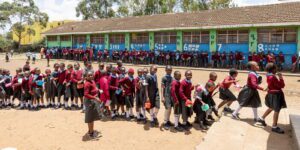
Parents in Kiharu Constituency have welcomed a historic reduction in school fees, with students now paying just Ksh500 per term.
The announcement came as Kiharu Member of Parliament Ndindi Nyoro officially launched the Kiharu Masomo Bora 2026 Edition, an education programme designed to ease the financial burden on families and improve learning outcomes. The initiative targets more than 12,000 learners across all 65 day secondary schools in the constituency.
Nyoro described the programme as a transformative step in addressing the long-standing challenges facing day schools. He highlighted the rising costs of education and the inadequate government funding that has forced schools to accumulate debt, ultimately affecting parents’ ability to provide for their children.
The Funding Challenge
Speaking at Maragi Primary School Grounds, Nyoro criticised the government for failing to provide sufficient resources to learning institutions. He pointed out that the Ksh26 billion allocated to schools was barely enough to cover existing debts, which he calculated at Ksh25.5 billion.
He explained that the allocation for the first term translates to just Ksh109 per learner, an amount he argued falls far short of the resources required to run schools effectively. Nyoro challenged Education Cabinet Secretary Julius Ogamba to verify his calculations and urged the government to prioritise education funding.
“This is not about politics; it is about ensuring our children can learn without financial hardship,” Nyoro stated.
Affordable Education for All
Under the Kiharu Masomo Bora 2026 Edition, students will pay Ksh500 per term, marking a significant decrease from the thousands of shillings parents previously had to pay. The programme ensures that financial constraints will no longer prevent learners from accessing education.
In addition to reduced fees, the initiative guarantees a nutritious daily lunch for all students. Meals will include githeri served three days a week, rice on another three days, and porridge during tea breaks. On the last Friday of each month, learners will enjoy chapati, ensuring no student goes hungry during school hours.
Investment in Academic Resources
Nyoro has allocated Ksh10 million for revision materials in the current financial year. This allocation adds to the Ksh20 million previously provided to support academic resources. The MP emphasised the importance of accessible learning materials in boosting academic performance across all schools.
Furthermore, the programme prioritises infrastructure development. Over Ksh50 million has been earmarked for constructing and equipping science laboratories to enhance practical learning. These facilities aim to encourage hands-on experience and improve students’ readiness for national exams and future careers in STEM fields.
Supporting Low Enrollment and Co-Curricular Activities
Students joining Grade 10 in 20 identified schools with low enrollment will receive free uniforms, a measure designed to encourage attendance and reduce barriers to education. All 65 schools in Kiharu will receive an additional Ksh50,000 for co-curricular activities, allowing learners to engage in sports, clubs, and other developmental programmes.
Nyoro stressed that these measures are part of a holistic approach to education, focusing on both academic excellence and overall student development.
Critique of Parliamentary Oversight
During the launch, the MP criticised Parliament for failing to hold the government accountable on education matters. He argued that the absence of an effective opposition has left ordinary Kenyans vulnerable to policy decisions that do not reflect their needs.
“Now as you know, there is no parliament in the country of Kenya. There is no Opposition, no one speaks out on matters that affect the common man. And we told them not to increase school fees, and they thought it was a game,” Nyoro said.
He urged political leaders to put the interests of students and parents above partisan politics. Nyoro emphasised that education should never be a political tool but a national priority.
Inclusive Programme for All Learners
The Kiharu Masomo Bora initiative extends beyond local students. Learners from other parts of Kenya attending day secondary schools in Kiharu will also benefit from the reduced fees, meals, uniforms, and additional resources.
Nyoro reiterated that the programme is designed to remove inequalities in education access and ensure that no child is left behind due to financial constraints. He stressed the importance of education in shaping the next generation and empowering communities.
“The future of Kiharu depends on the quality of education we provide today. We cannot afford to ignore our children’s needs,” the MP said.
Building a Culture of Accountability and Support
Beyond funding, Nyoro urged school administrators to exercise transparency and accountability in managing the allocated resources. He emphasised that community involvement in schools would help monitor progress and ensure that every shilling reaches the intended purpose.
Parents were encouraged to take an active role in supporting their children and holding schools accountable. By fostering collaboration between families, educators, and policymakers, Nyoro believes Kiharu can achieve sustained improvement in educational outcomes.
Looking Ahead
The launch of the Kiharu Masomo Bora 2026 Edition marks a critical milestone in the constituency’s education sector. With significant fee reductions, daily meals, improved academic resources, and strengthened infrastructure, parents and students alike have reason to feel optimistic.
Nyoro’s message was clear: education is a shared responsibility that requires government support, community engagement, and accountability from all stakeholders. The programme serves as a blueprint for other constituencies seeking to improve education access and affordability.
By addressing both the financial and infrastructural challenges that have long hampered learning, Kiharu sets an example of how targeted interventions can transform the education landscape.
Parents, teachers, and learners alike now look forward to a school year free from financial stress, with increased opportunities for academic success and holistic development.
About The Author

